The US has announced that preferential tariff treatment for Taiwan’s non-semiconductor Section 232 goods would take effect retroactively from May 1, the Executive Yuan said yesterday.
The US government yesterday posted a notice on the Federal Register’s public inspection Web site previewing tariff concessions for Taiwan under a memorandum of understanding (MOU) on Taiwan-US investment after two months of negotiations.
The MOU signed on Jan. 15 stipulated three major preferential tariff arrangements: a 15 percent “reciprocal” tariff rate for Taiwan without stacking most-favored nation (MFN) rates; preferential Section 232 treatment for semiconductors and related products; and preferential Section 232 treatment for non-semiconductor products.
The measures include capping tariffs on auto parts, logs, lumber and wood derivative products at no more than 15 percent, while exempting steel, aluminum and copper derivative products used in aircraft components from Section 232 tariffs.
The preferential treatment Taiwan secured is on par with the EU, Japan and South Korea, Vice Premier Cheng Li-chiun (鄭麗君) said yesterday, adding that the new rates would help improve the competitiveness of Taiwan’s industries and further expand their presence in the US market.
Meanwhile, China would still face a high tariff rate of 51.71 percent, Cheng said, adding that Mexico is exempt from Section 232 tariffs under the US-Mexico-Canada Agreement.
Taiwan’s auto parts industry has a total output value of NT$272.6 billion (US$8.67 billion), with exports to the US totaling NT$107.9 billion, while it employs about 71,000 people, she said, adding that the tariff concessions are expected to improve the sector’s competitiveness in the US.
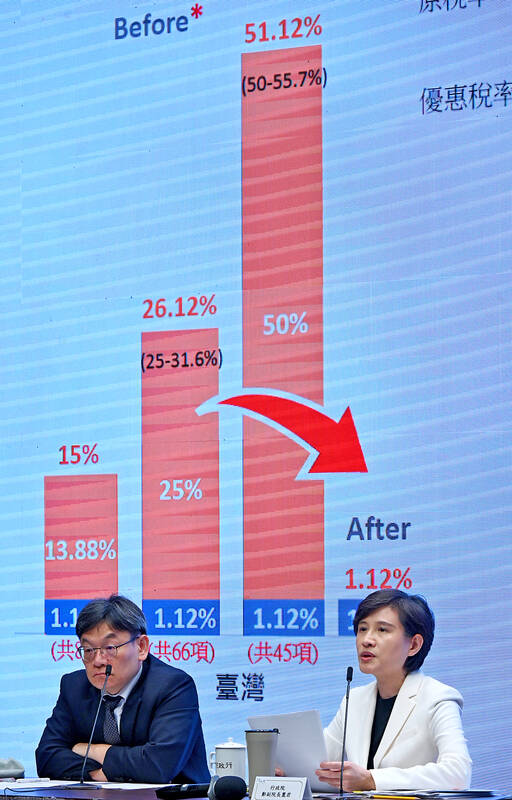
For wood products, including wooden furniture, cabinets and bathroom vanities, average tariff rates would be lowered to 15 percent, matching the levels applied to the EU, Japan and South Korea, while competing exporters Vietnam and China would continue to face tariffs of 25 percent and 50 percent respectively, she said.
Taiwan’s wood-related industries generated output of about NT$21 billion last year, with exports to the US totaling nearly US$60 million, Cheng said, adding that the US accounts for more than 70 percent of Taiwan’s total wooden furniture exports, so lower tariffs are expected to benefit the industry.
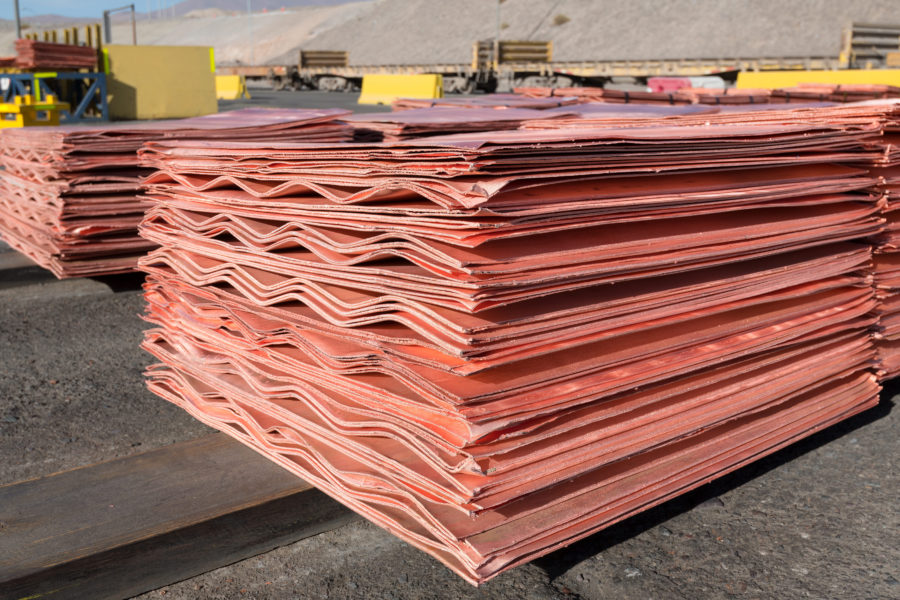
As for steel, aluminum and copper products used in aircraft components, all three categories have been fully exempted from Section 232 tariffs and reverted to an average MFN tariff rate of 1.12 percent, in line with what other countries face, she said.
Exports of the products totaled about US$550 million last year, including about US$330 million shipped to the US, accounting for about 60 percent of total exports in the category, she said.
Regarding the highly watched Section 232 tariffs on semiconductors and related derivative products, the US has not yet released a product list, but the Cabinet has continued advance consultations with Washington, Cheng said.
The US had “repeatedly” said during bilateral trade talks that it could impose tariffs on global semiconductor imports, including those from Taiwan, under Section 232, she said.
Under the MOU, Taiwanese firms investing in the US would be eligible for tariff-free quotas, while the US has also pledged exemptions for equipment and components needed to establish production facilities, she said.
While the list has not yet been released, Taiwanese firms have already begun investing, she said, adding that the Executive Yuan would continue to negotiate for preferential treatment.
“We hope the preferential treatment can be confirmed first. The government will help businesses negotiate their individual tariff-exempt quotas,” Cheng said. “We hope that if the US imposes Section 232 tariffs on semiconductors, they will be implemented afterward to reduce uncertainties facing our businesses investing in the US.”