Sri Lanka receives first commercial-scale Battery Energy Storage System through Colombo Port
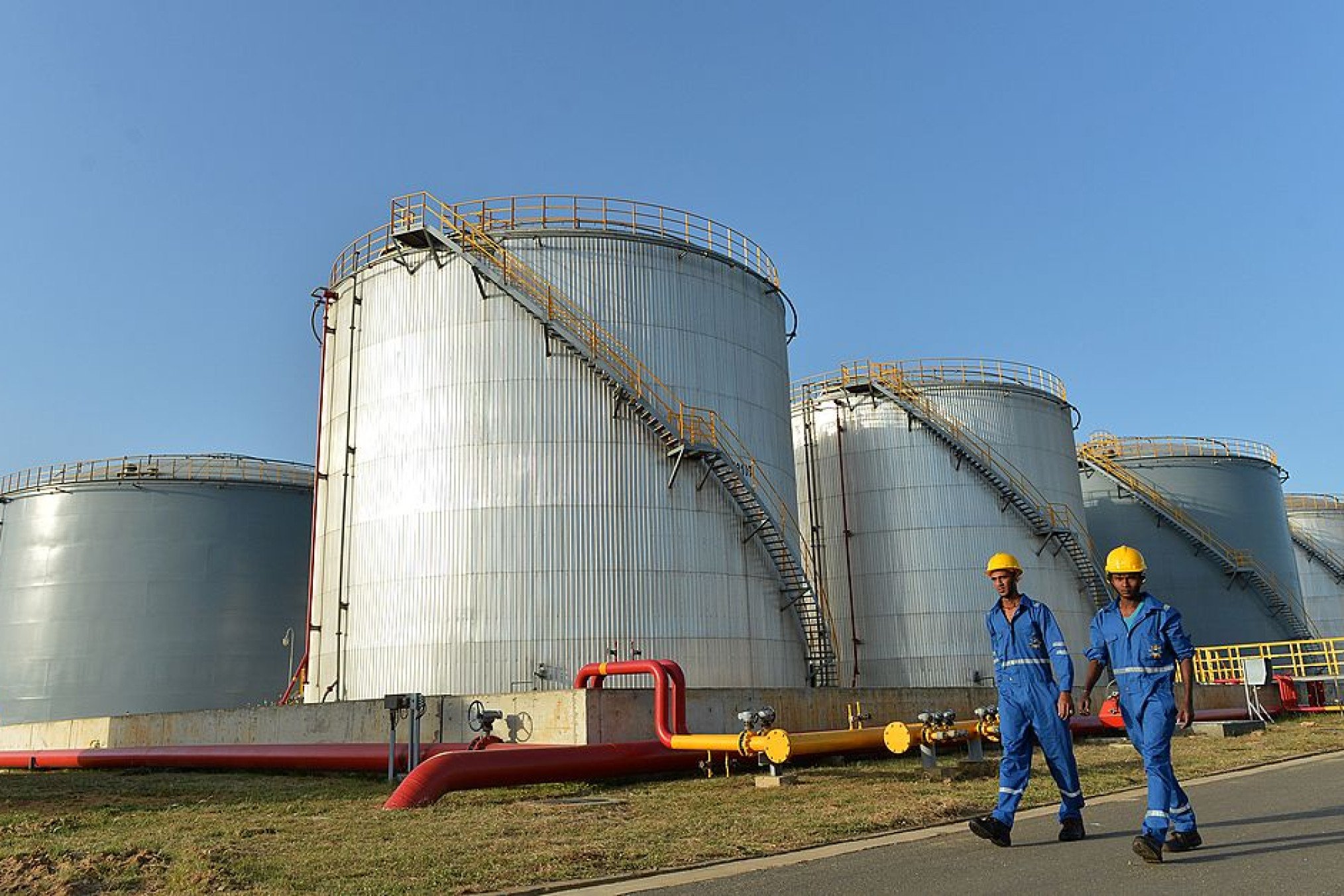
Colombo, May 26 (Daily Mirror) - Sri Lanka’s first commercial-scale Battery Energy Storage System (BESS) has arrived in the country through the Colombo Port, marking a significant step toward strengthening national grid stability and accelerating renewable energy integration.
The government had earlier called for international competitive tenders on July 30, 2025, for battery storage projects with a combined capacity ranging from 160MW to 640MW. Following the evaluation process, four companies were selected and awarded projects covering 16 substation sites across the country.
Under the initiative, Galilee BESS, a subsidiary of the WKV Hydro Group, a global renewable energy developer, has already begun installation work at two key transmission substations located in Galle and Matara. The systems are being deployed using technology supplied by China’s Sungrow Power Supply Co., Ltd..
According to project timelines, installation at the Galle substation is expected to be completed in July, while the Matara substation is scheduled for completion in August. Once operational, both facilities will be integrated into Sri Lanka’s national grid.
The project is being implemented with the support of the National System Operator Ltd (NSO), a subsidiary under the Ministry of Energy.
Each of the two sites will be capable of storing 80MW of electricity during off-peak daytime hours and releasing it during peak evening demand periods. Officials note that this shift will significantly reduce reliance on diesel-based power generation, with estimated savings of around Rs. 200 million per month at current fuel prices.
Energy sector authorities say the introduction of BESS technology comes at a critical time, as Sri Lanka’s electricity system faces pressure from climate variability and fuel price fluctuations. The storage systems are expected to enhance grid reliability, stabilize electricity supply, and help maintain more consistent pricing for households and businesses.
In addition to economic benefits, the project is also expected to contribute to environmental goals by reducing carbon emissions and air pollution associated with thermal power generation.
Globally, BESS technology is already in use in several countries, including the United Kingdom, Germany, and Australia, while China has rapidly expanded large-scale deployment in its energy mix. Stakeholders say Sri Lanka’s adoption of the technology represents a move toward a more modern, resilient, and sustainable power sector.