S&P warns Pakistan faces highest economic risk in Asia from prolonged Iran war
Pakistan faces the highest macro-financial stress risk among major Asia-Pacific (APAC) economies from a prolonged Middle East conflict, S&P Global Market Intelligence said on Monday, warning that higher energy prices and external financing pressures could undermine the country’s fragile economic recovery.
The warning comes as the Iran war, triggered by joint US-Israeli strikes on Tehran in February, continues to disrupt regional energy markets and shipping routes despite a fragile ceasefire announced in April.
Iran’s blockade of the Strait of Hormuz — a critical global energy corridor through which roughly one-fifth of the world’s oil and gas passes — has rattled oil markets and heightened concerns among import-dependent economies such as Pakistan.
Pakistan, which relies heavily on Gulf crude supplies, workers’ remittances from Gulf countries and International Monetary Fund-backed external financing, has struggled for years with high inflation, low foreign exchange reserves and recurring balance-of-payments crises.
“Our assessment of major APAC economies shows that Pakistan is likely to experience the most acute effects of a prolonged Middle East war shock due to its high dependence on imported energy and industrial inputs from the region combined with improving but still limited external and fiscal buffers,” Ahmad Mobeen, principal economist at S&P Global Market Intelligence, said in a statement.
“Higher energy prices are likely to reverse recent gains on the current account, increase depreciation pressures, and keep inflation elevated,” he added.
The report projected Pakistan’s economic growth would slow to 3.2 percent in fiscal year 2027, with risks tilted to the downside because of the continuing regional conflict.
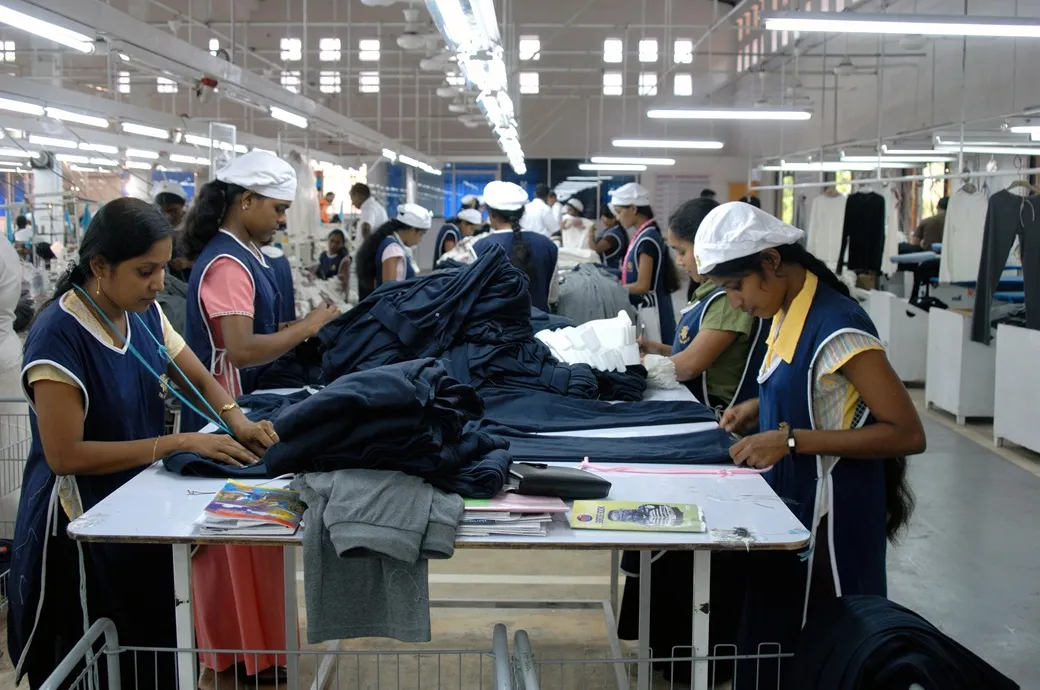
S&P said higher fuel costs, supply-chain disruptions and trade route uncertainties were likely to weigh on manufacturing and exports while increasing imported inflation across the economy.
It also warned of possible fertilizer shortages and slower remittance growth, which could hurt agricultural output and rural incomes.
“While the initial policy responses helped temporarily mitigate the supply shock and slow the pass-through to households and businesses, the next policy phase is likely to be defined by increasingly difficult trade-offs between maintaining stability, supporting growth, and continuing fiscal consolidation measures under existing IMF programs without additional bilateral and multilateral funding,” Mobeen said.
Pakistan has recently stabilized parts of its economy under an IMF-supported reform program after narrowly avoiding sovereign default in 2023, but analysts say the country remains highly exposed to external shocks because of its dependence on imports and recurring debt obligations.
S&P noted that Pakistan’s external buffers had improved in the near term through Saudi financial support, expected refinancing rollovers and continued multilateral funding linked to IMF programs.
However, it warned that refinancing risks remained elevated, pointing to Pakistan’s large future debt repayments and annual gross external financing needs averaging around $24 billion between 2026 and 2030.