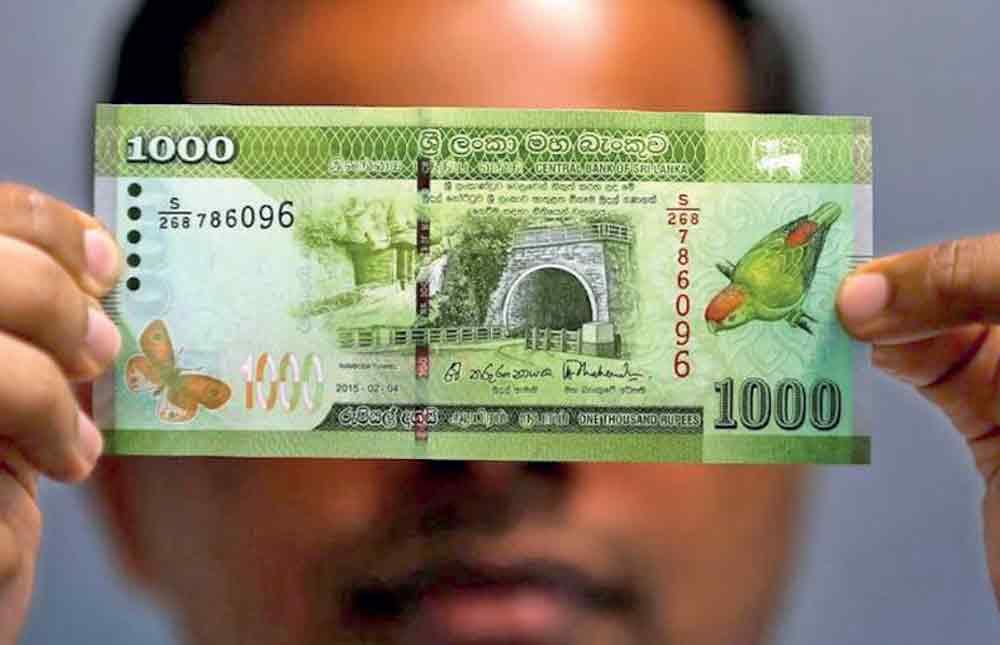
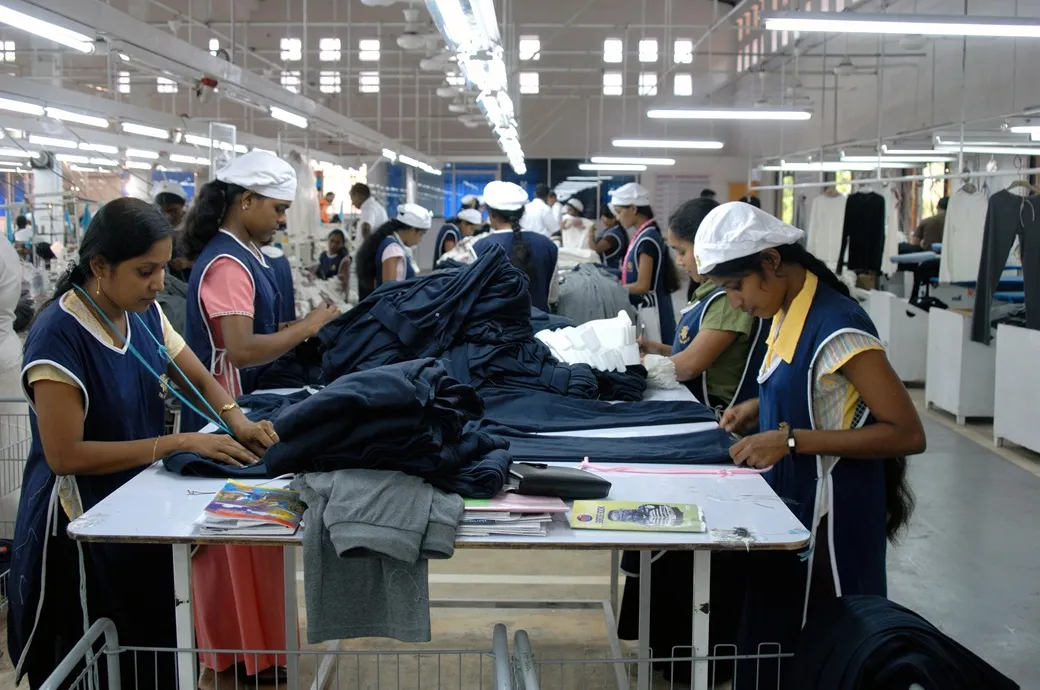
Exporters warn currency gains being wiped out by higher import bills
Sri Lanka’s fast weakening rupee is beginning to expose a deeper strain within the country’s export sector, with exporters warning that the rising cost of imported fuel, raw materials and industrial inputs is rapidly eroding the short-term gains from a stronger dollar.
The National Chamber of Exporters (NCE) yesterday asserted that while the depreciation of the rupee may temporarily inflate export earnings in local currency terms, the broader economic fallout could leave manufacturers and exporters under mounting pressure in the months ahead.
“The Sri Lankan Rupee has rapidly weakened against the US dollar, and the effect is visible across the board, as major foreign currencies, specifically the US Dollar, the British Pound, and the Euro, continue to strengthen against the Rupee,” the chamber said.
The rupee has weakened sharply in recent weeks, with the dollar trading around Rs.321 to Rs.325 in the spot market and some banks quoting selling rates as high as Rs.334, the weakest levels seen since late 2023. The currency has depreciated by roughly 3.6 to 4.5 percent against the dollar from the end of last year.
The chamber said the currency pressure was already feeding into higher production costs across industries heavily dependent on imported inputs, particularly as Sri Lanka’s fuel import bill surged amid elevated global oil prices and the continuing Middle East conflict
“Regardless of the short-term gains likely for the industry, continued depreciation could lead to a significant long-term negative impact,” the NCE said.
Sri Lanka spent US$ 630 million on fuel imports in March alone, up 74.7 percent from a year earlier, according to Central Bank data cited by the chamber, as higher oil prices and increased import volumes pushed up the country’s external costs. Fuel accounted for half of all intermediate goods imports during the month.
The impact is now rippling through manufacturing supply chains.
“The most immediate consequence is that imports and foreign payments have become more expensive, and businesses that depend on imported raw materials are feeling that pressure directly, which is not expected to ease in the near term either,” the chamber said.
Sri Lanka imported US$ 11.8 billion worth of intermediate goods in 2025, while March 2026 spending on such imports climbed to US$ 1.26 billion, the highest monthly level recorded since December 2021. Imports of textiles, chemicals, plastics, metals and machinery parts all rose sharply, reflecting increasing cost pressures on export manufacturing.
Sri Lanka’s export sector continued to post resilient numbers with merchandise exports reaching a record US$ 13.5 billion in 2025. Exports in the 1Q26 expanded 3.4 percent YoY to US$ 3.4 billion, supported by apparel, tea and rubber-based products.
However, the NCE stressed that exporters with high import dependency were finding little real advantage from the weaker currency as higher freight, energy and machinery costs narrowed margins.
“Overall, there is no real term benefit of Rupee depreciation for exporters due to dependency on imported inputs. For those in high-value manufacturing, the immediate priority is stabilising the cost of production against currency volatility.”