India's trade gap widens as crude imports surge due to Mideast war
May 15 (Reuters) - India's merchandise trade deficit expanded to $28.38 billion in April, as a surge in crude shipments pushed imports to a six-month high with the Middle East conflict disrupting supplies and raising oil and gas prices.
Concerns that the energy shock from the months-long Iran war could slow growth, raise inflation, and hit India's balance of payments have led to a raft of interventions from policyma
India, the world's third-largest oil importer and consumer, ships in more than 80% of its crude needs and 60% of cooking gas, with the Middle East accounting for a large chunk of the supply.
Economists had pegged the April trade deficit (INTRD=ECI), opens new tab at $26.5 billion, according to a Reuters poll. The trade gap was at $20.67 billion in March.
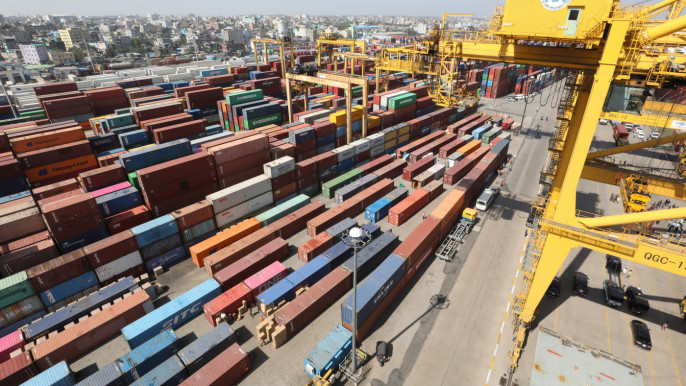
Merchandise exports rose to $43.56 billion in April from $38.92 billion in the previous month, government data showed on Friday, while imports rose to a six-month high of $71.94 billion against $59.59 billion in March.
Exports hit a decadal high in April, driven by electronics, engineering goods and higher-value petroleum shipments, federal trade secretary Rajesh Agrawal told reporters, curbing the trade gap.
Elevated exports are unlikely to keep the trade gap in check, leaving pressure on the current account, said Aditi Nayar, chief economist at ICRA.
For the current fiscal year, she expects the current account deficit to be around 2% of GDP, more than twice the level estimated for the previous year.
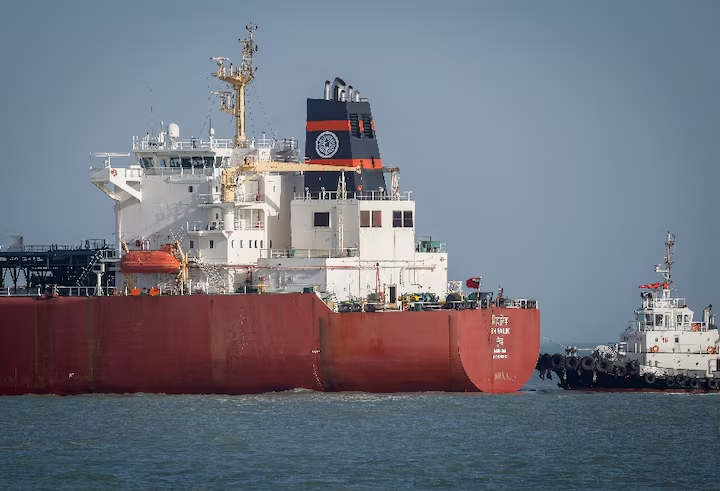
The rise in imports was led by a jump in oil shipments, which surged 53% to $18.63 billion in April from $12.18 billion in March, underscoring a sharp escalation in the import bill.
Global crude prices have spiked to as much as $120 per barrel since the Iran war started at the end of February.
Gold imports rose 84% from the previous month to $5.63 billion, despite banks scaling back purchases during the month, as refiners increased imports of gold dore.
The Indian rupee fell to an all-time low after the trade data was released, falling past the 96-to-dollar level for the first time.
Indian Prime Minister Narendra Modi has urged a spate of measures including fuel conservation, work-from-home practices, and limits on travel and imports, to conserve foreign exchange reserves.
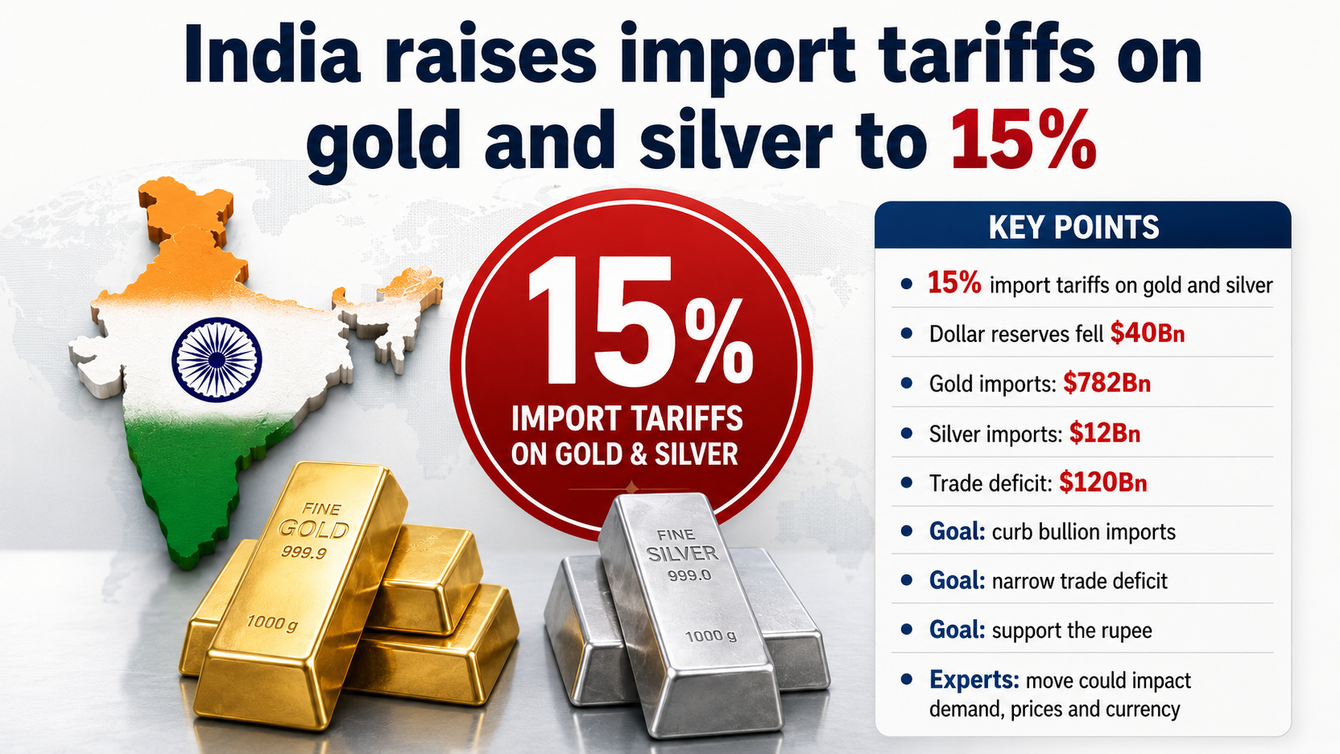
The South Asian country, the world's second-largest gold consumer, has more than doubled tariffs on gold and silver and tightened rules for duty-free gold used for jewellery exports.
On Friday, state-run fuel retailers raised gasoline and diesel prices for the first time in four years by more than 3%.
The government estimates that services exports stood at $37.24