Pakistan’s Economy Grew Before Hit From Middle East Conflict
Pakistan’s economy grew in the last quarter as the Middle East conflict weighed on the nation, which imports most of its fuel requirement.
Gross domestic product accelerated to 3.89% in the three months ended December, compared with 1.73% a year earlier, according to data released by the Pakistan Bureau of Statistics. The economy grew 3.63% in the preceding quarter.
Pakistan’s economy remains weak, with uneven growth and exposure to shocks. Inflation has eased, but risks remain from spikes in food and energy prices. The country still depends on International Monetary Fund support and external inflows while weak investment dimming chances of a lasting recovery.
The central bank kept key rates unchanged at its last two meetings amid inflation concerns, even before the conflict. In March, inflation accelerated to 7.3% as fuel prices rose due to the war in the Middle East.
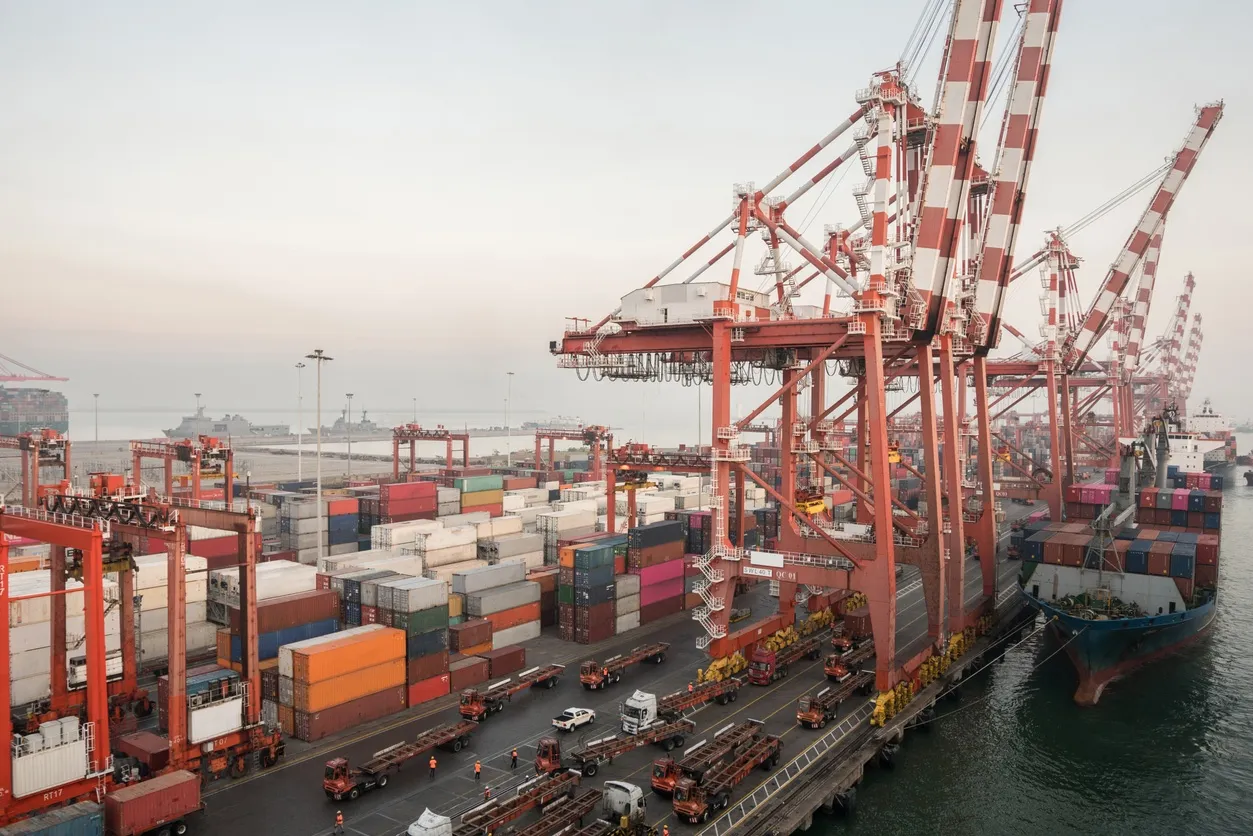
The data follows the International Monetary Fund’s assessment of the war’s impact and approval of $1.2 billion loan disbursement under its program. The conflict clouds the outlook as volatile energy prices and tighter global financial conditions risk pushing up inflation and weighing on growth and the current account, it said. Pakistan’s exports last month dropped to the lowest in eleven months.
Pakistan announced measures to conserve fuel, including the government cutting its fuel use by half, but consumption still grew by 10% in March. The government has spent 129 billion rupees ($462 million) in three weeks to cushion fuel prices, which is not sustainable, Information Minister Attaullah Tarar told Hum News in an interview this week.
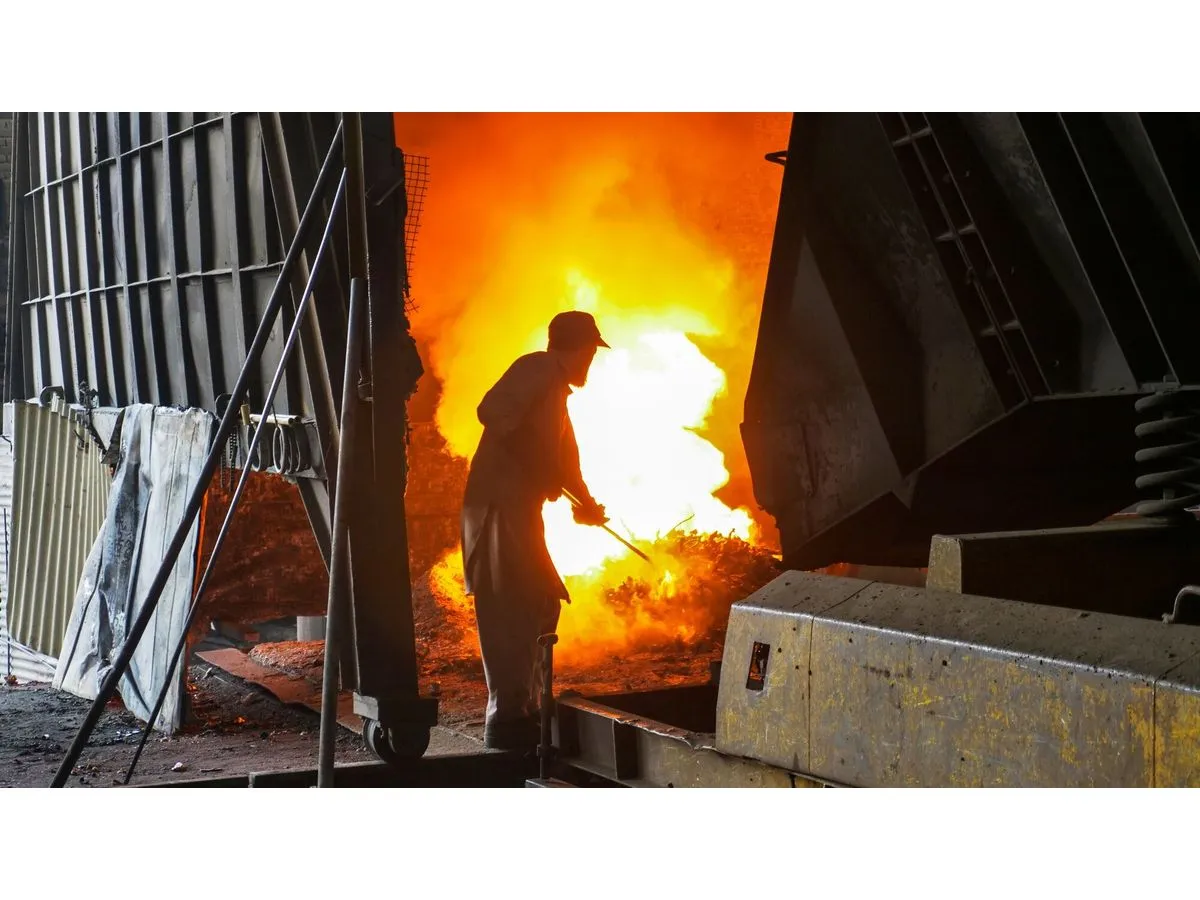
The nation’s agricultural and industrial sectors growth slowed while services sector picked up pace in the second quarter compared with the preceding three months, according to the data





.jpg)